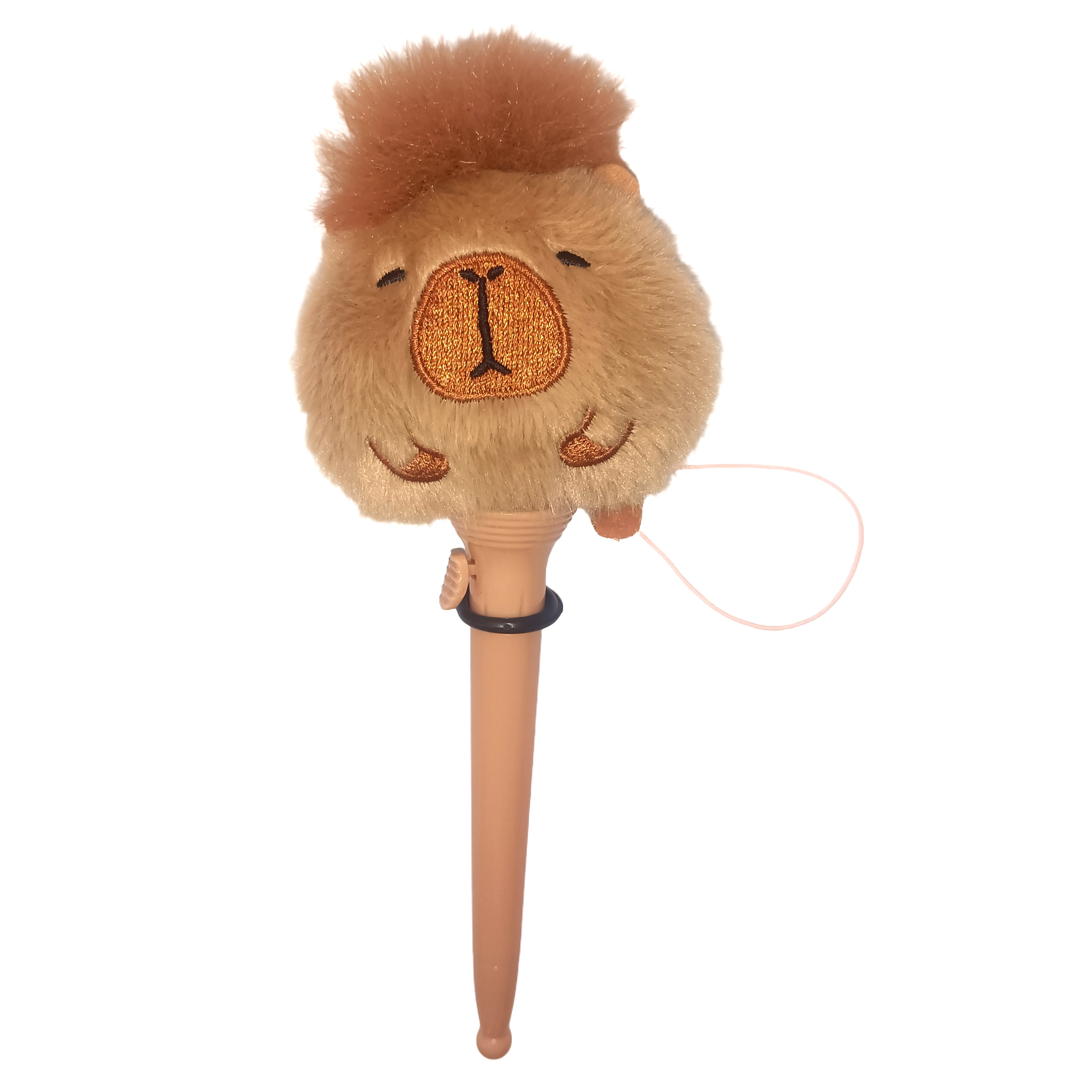
The question how much does it cost to manufacture a pen touches every finance, procurement, and design team. A pen is more than metal and ink; it is an orchestration of materials, labor, overhead, testing, and even marketing. Breaking these pieces apart reveals where value lies and how scale influences pricing.
Raw Materials and Specialty Components
Material costs typically represent 25 to 45 percent of the unit expense. Brass, aluminum, and stainless steel define barrels, while plating requires chrome, rhodium, or even gold. High-end nibs may use alloys with specific hardness, while custom lacquer pigments add another premium. Ink formulas vary from simple oil-based types to complex gel or fountain formulas, each influencing the per-unit cost.
Labor Across Geographies
Labor can be the single largest swing factor. Skilled operators in North America and Europe earn higher wages but also deliver intricate finishes and lower defect rates. Asian facilities balance automation with manual inspection, driving down the per-unit labor cost for large runs. Roughly speaking, labor might cost $0.20 per ballpoint in a high-volume plant or $2 to $3 for a luxury pen assembled with hand-tuned nibs.
Overhead, Utilities, and Equipment Depreciation
Overhead covers equipment depreciation, facility rent, utilities, and administrative wages. Plating baths consume power and water, while cleanrooms require humidity control. CNC mills, laser engravers, and vision systems are amortized over years, so each batch shoulders a portion of that investment. High mix, low volume operations may pay more per unit because the fixed costs spread across fewer pieces.
Quality Control and Scrap
Quality assurance adds inspectors, lab equipment, and scrap management. Testing includes drop tests, ink flow measurement, torque, and visual inspections. Pens that fail are either reworked or scrapped, so scrap rates impact the total cost. Investing in QC can reduce returns and improve brand reputation, which offsets the initial expense.
Packaging, Marketing, and Fulfillment
Packaging ranges from simple blister cards to premium boxes with magnetic closures. Luxury sets may include accessories, manuals, and certificates that increase per-unit cost by several dollars. Logistics and fulfillment add warehousing, kitting, and shipping expenses, especially when sending to multiple geographies.
Innovation Budgets and Risk Reserves
R&D and warranty reserves also factor into the total investment. Brands fund prototyping, tooling updates, and nib adjustments. They set aside money for warranty claims and nib tuning that might occur after purchase. These indirect costs ensure the product remains competitive and minimize the risk of warranty-related losses.
Conclusion
Answering how much does it cost to manufacture a pen requires seeing how raw materials, labor, overhead, QC, packaging, and risk mitigation stack up. Understanding this mix empowers procurement teams to negotiate better contracts while preserving the quality that makes pens special.